
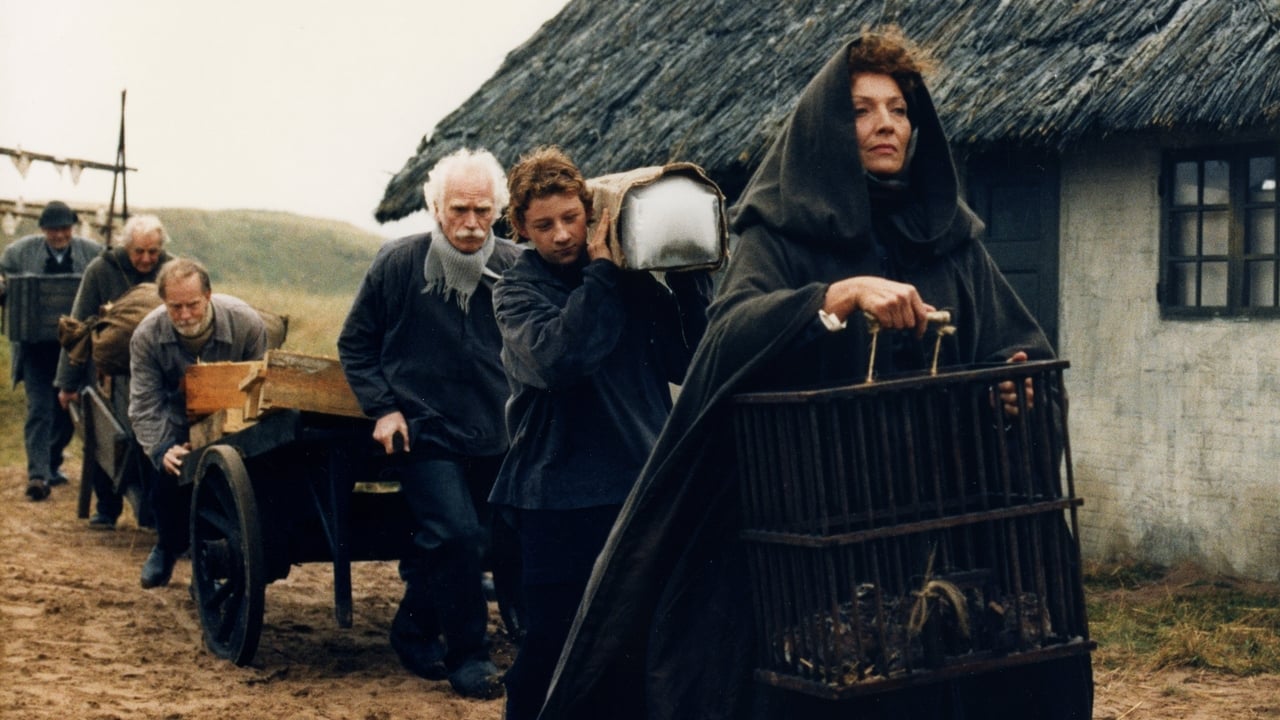
Babette's Feast
- GenreDrama
- Runtime104 min
- Year1987
- Score7.2
A French housekeeper with a mysterious past brings quiet revolution in the form of one exquisite meal to a circle of starkly pious villagers in late 19th century Denmark.
CinemaCity
158 films in Danish, Swedish, Finnish and Norwegian, 1950 to 2025, chosen for the whole household.
Comedy
View all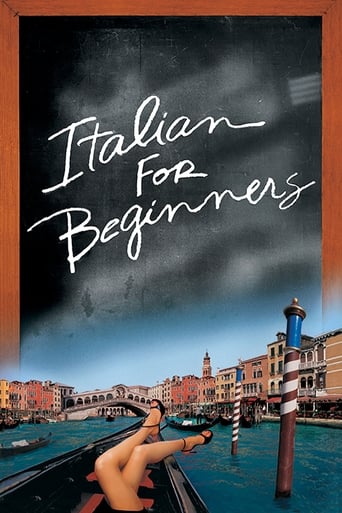


Drama
View all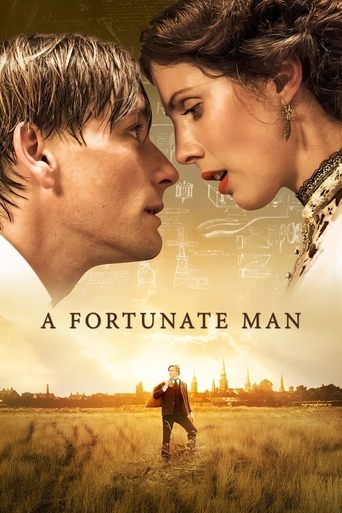



Classics
View all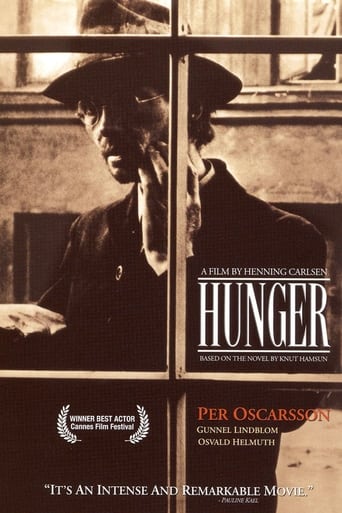
Family and growing up
View all

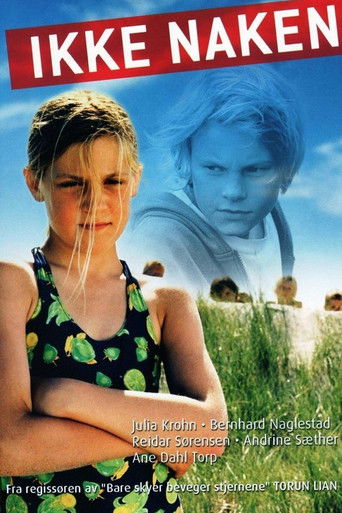
Music and the arts
View all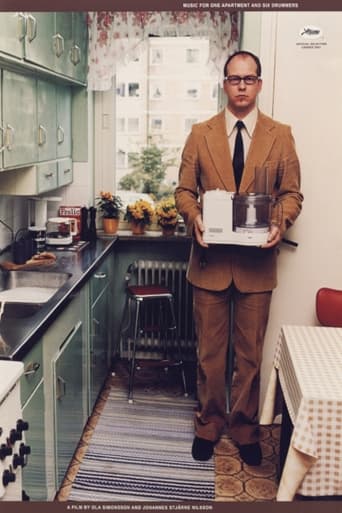
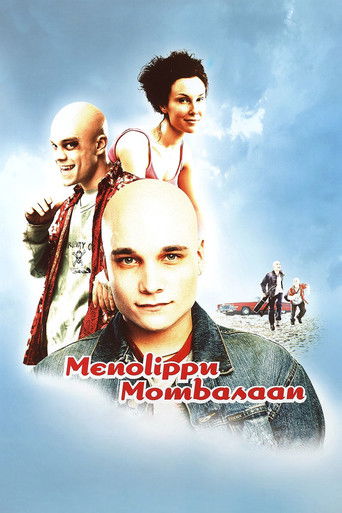
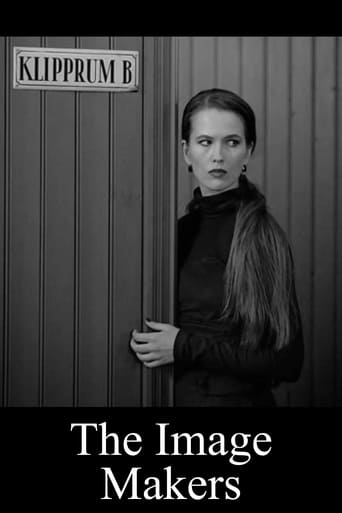
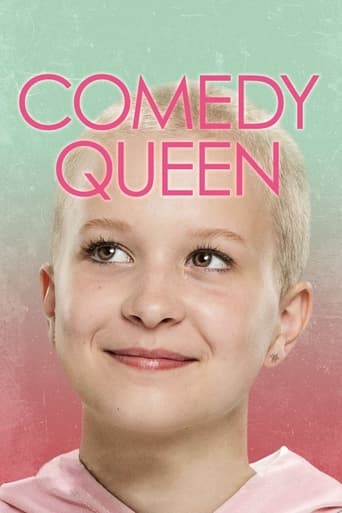
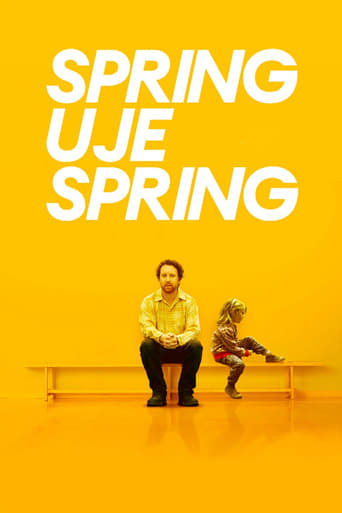
Country and coast
View all
The CinemaCity guide to Nordic films
CinemaCity: Nordic films from Denmark, Sweden, Finland and Norway, from Babette's Feast, The Emigrants and Italian for Beginners to We Are the Best!, Master Cheng and Battle
The four Nordic countries have a combined population smaller than that of many single cities elsewhere, and yet their films travel the world. Sweden gave the cinema Ingmar Bergman and a tradition of gentle, eccentric comedy. Denmark has a line of warm folk comedies reaching back to the fifties and a modern school of actors and directors known everywhere. Finland is the home of deadpan humour, long silences and stories of the forest. Norway makes some of the best films for and about young people to be found anywhere. CinemaCity is a guide to 158 films from all four, made between 1950 and 2025. Each has its own page, its story, its director and cast, and a Watch now button that leads to the official services carrying it in your country.
The catalogue has been chosen for the whole household. Every summary was read by hand, and the selection favours comedy, family stories, romance, portraits of artists and humane drama. The crime stories for which the region is also famous were left out, together with films of the battlefield and adult dramas. What remains includes a French cook who spends a lottery fortune on one dinner for a village of plain eaters, a farming family that leaves the stony fields of Småland for Minnesota, three thirteen-year-old girls who start a band with a single bass guitar between them, and a chef from Shanghai who arrives by bus in a Lapland village.
The films are presented here one country at a time, and afterwards by kind and by theme. Three are proposed for a first evening before the tour begins, and the last sections cover directors, languages, search and My List. All film titles are links, and the text is in English for viewers anywhere.
What CinemaCity offers
CinemaCity is a viewing guide. Each of its 158 film pages carries a poster, a still, the story in a paragraph, the year, the running time, the director, the principal cast, and the original title beside the English one. Beneath them sits one button, Watch now, which opens JustWatch for the country you select and shows the subscription, rental, purchase and free services that carry the film there. The guide itself holds pages of information, and the playing of every film happens on those official services.
Fifty-eight of the films are in Danish, forty-seven in Swedish, twenty-seven in Finnish and twenty-six in Norwegian. By kind, 108 are dramas, ninety are comedies and twenty-four are romances, with many films belonging to two of the three. Fifty-one are classics made before 1990. Fifty-seven are stories of working life, fifty-four concern musicians, writers and performers, forty-five are set in the countryside or by the sea, thirty-three are about children and families, and fourteen take place at Christmas, New Year or in high summer.
By period, twenty-six films date from before 1970, twenty-five from the seventies and eighties, forty-one from 1990 to 2009, forty-two from the 2010s and twenty-four from 2020 onwards. The home page opens with a wide featured picture carrying the film's title and a row of labelled facts, beside a panel headed Top 3. Four buttons beneath lead to the four countries, and rows of six posters follow for comedy, drama, classics, family and growing up, music and the arts, and country and coast.
A first evening
Three films make good first choices. From Denmark comes Babette's Feast, made by Gabriel Axel in 1987 from a story by Karen Blixen, and winner of the Academy Award for foreign language film. On the bleak coast of Jutland in the nineteenth century, two elderly sisters lead the small, austere congregation founded by their father. Their housekeeper for fourteen years has been Babette, a Frenchwoman who arrived one stormy night with a letter of introduction. When she wins ten thousand francs in the Paris lottery, she asks one favour: to cook a real French dinner for the sisters and their flock. The guests agree in advance to keep silent about the food. Course by course, the wine and the cooking do their work, and old quarrels melt. It is one of the great films about generosity, and about art.
From Sweden comes We Are the Best!, made by Lukas Moodysson in 2013. In Stockholm in 1982, Bobo and Klara, both thirteen, with home-cut hair and a firm belief that punk is alive, sign up for the youth club's rehearsal room chiefly to annoy the boys who usually have it. Neither has yet played an instrument. They recruit Hedvig, a quiet girl who plays classical guitar, and write a song about how much they dislike sport. The film is as funny and as truthful about friendship at that age as any ever made, and the three young actresses are a joy.
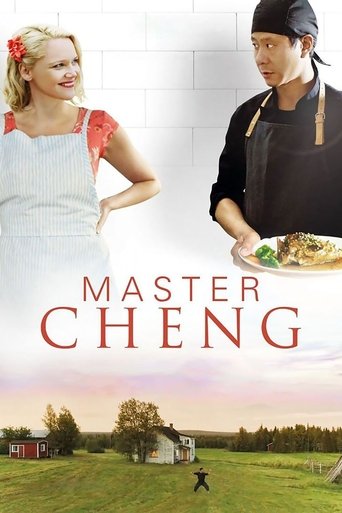
From Finland comes Master Cheng, made by Mika Kaurismäki in 2019. A chef from Shanghai steps off a bus in a village in Lapland with his young son, looking for an old friend whose name nobody seems to know. The owner of the roadside cafe, Sirkka, gives them a room, and when a coach party of tourists arrives one day, Cheng offers to cook. Before long the regulars, who have lived on sausage and mashed potato, are asking for his soups, and the village doctor is impressed by their health. It is a gentle comedy of two cultures meeting over a stove, set in a luminous northern summer.
Denmark
Fifty-eight films are Danish, and the Danish films guide offers a route through them. A good third are the popular comedies of the fifties and sixties, which Danes of every age still watch at holidays. Their great star was Dirch Passer, a tall, rubber-limbed comedian who appears in ten films here. In Still Dust on the Brain and Dust for all the Money, two entries in a much-loved series about the neighbours of a suburban street, he is the bachelor among the housewives; in the second the whole street buys a farm together and discovers how much work a cow is. In Bussen he drives a country bus and serves as handyman, messenger and counsellor to everyone along the route. In The Girl and the Playboy he is a millionaire who loses his memory, and in It's Nifty in the Navy one of three fishermen called up to serve at sea.
Many of these films were directed by Annelise Reenberg, one of the first women anywhere to work as a cinematographer, who has six films in the catalogue. Styrmand Karlsen, from 1958, was one of the biggest successes in the history of Danish cinema, a seafaring comedy with songs. Frøken Nitouche is an operetta about a convent school organist who leads a double life as a theatre composer; Han, hun, Dirch og Dario takes a neglected young wife and a silver sports car to Italy; and Kristiane af Marstal concerns two young skippers and their small cargo ship. Erik Balling, another central figure, made The Poet and the Little Mother, from a popular newspaper strip about a penniless writer and his wife, and Our Home Is Our Castle, in which the tenants of an old house unite against the bulldozers.
Balling also directed Qivitoq, from 1956, which was nominated for an Academy Award. A young teacher arrives in Greenland to surprise her fiancé and finds that he has made other plans; waiting for the ship home, she is drawn into the life of a small trading post and to its reserved manager. The film was shot on location in colour, and its icebergs and kayaks are still a marvel. Paradise and Back, by Gabriel Axel, follows a man from the waterfront sheds of Copenhagen who sets out in 1928 to find something better.
Two literary films stand out. Hunger, made by Henning Carlsen in 1966 from the novel by Knut Hamsun, follows a proud, penniless young writer through the streets of the Norwegian capital in 1890, composing masterpieces in his head and pawning his waistcoat. Per Oscarsson won the actor's prize at Cannes, and the film remains a model of how to put a book's inner voice on the screen. A Fortunate Man, made by Bille August in 2018 from one of the great Danish novels, is the story of a gifted engineer from a strict provincial home who goes to Copenhagen with a plan to harness the wind and the waves, and of the pride that stands in his way.
Modern Danish cinema is at its most likeable in Italian for Beginners, made by Lone Scherfig in 2000. In a dull suburb in midwinter, half a dozen lonely people, a young pastor, a hotel clerk, a hairdresser, a clumsy baker's assistant among them, find their way to an evening class in Italian at the town hall. Almost by accident they become one another's company, and the class ends with a trip to Venice. It was filmed with a hand-held camera and natural light, and it charmed audiences around the world.
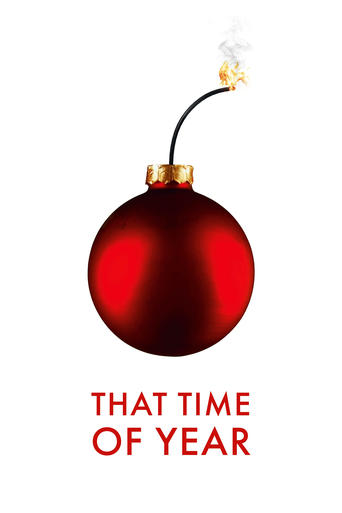
Recent Danish films in the same spirit include Maybe Baby, in which two women who heartily dislike each other learn that a clinic has confused their treatment; When in Rome, about a couple marking thirty-five years of marriage in the city where the wife once studied art; Mango, set in an orchard near Málaga; and Superclasico, which sends a Copenhagen wine merchant to Buenos Aires to win back his wife. The actress and director Paprika Steen made That Time of Year, a sharp comedy of one family's Christmas Eve, and To New Beginnings, set at a New Year dinner among old friends. Take the Trash sentences a boastful salesman to work at a recycling centre, and Mona's World gives a daydreaming bank customer the adventure she has imagined.
Sweden
Forty-seven films are Swedish, and the Swedish films guide introduces them. The grandest is The Emigrants, made by Jan Troell in 1971 from the novels of Vilhelm Moberg, with Max von Sydow and Liv Ullmann as Karl Oskar and Kristina. In the eighteen-forties, on a farm in Småland where the soil is mostly stone, a run of bad harvests persuades them to sell up and sail for America with their children and a party of neighbours. Troell, who photographed the film himself, takes more than three hours over the decision, the crossing and the journey inland, and every minute is earned. It was nominated for the Academy Award for best picture, a rare honour for a film in a language other than English.
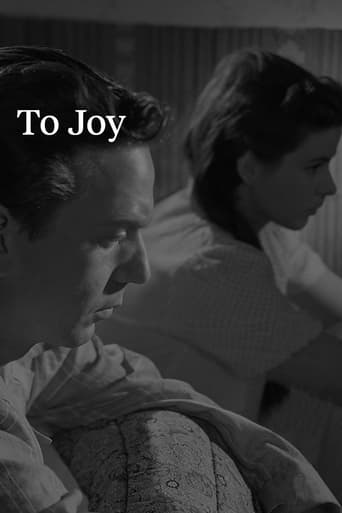
Ingmar Bergman has five films, chosen from the gentler side of his work. To Joy, from 1950, is about two young violinists in a provincial orchestra, their marriage, and the Beethoven symphony that gives the film its title. Brink of Life, from 1958, is set in a maternity ward, where three women share a room and their very different feelings about what lies ahead; it won him the director's prize at Cannes. Saraband, from 2003, was his last film, and returns to a couple he had first filmed thirty years before. Two works for television are about the cinema itself: The Image Makers imagines a day in 1920 when the novelist Selma Lagerlöf visited the studio to see the film being made of her book, and The Last Gasp is a conversation between a forgotten director of silent films and the producer who once employed him.
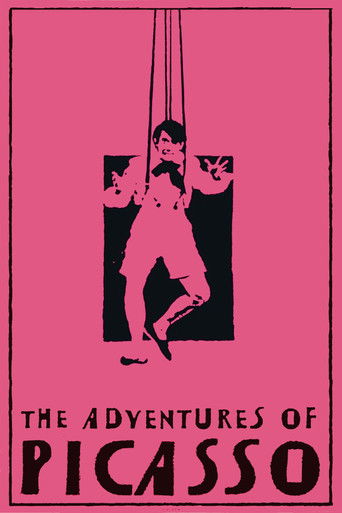
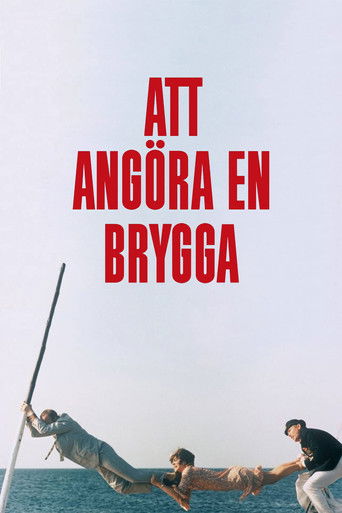
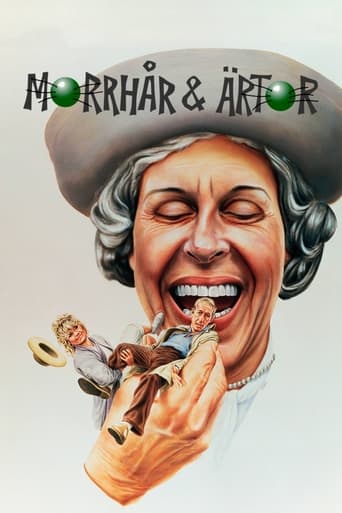
Swedish comedy is an acquired and lasting taste. Its masters were the partners Hans Alfredson and Tage Danielsson. Docking the Boat, from 1965, is their first film: a party of friends in a sailing boat try all day to land at a jetty a few yards away where supper is waiting. The Adventures of Picasso, from 1978, tells the painter's life as a slapstick fantasia in a made-up language of half a dozen tongues, so that it needs hardly any subtitles; Gösta Ekman plays Picasso. P & B follows two cheerful, penniless optimists who decide to become businessmen, and Peas & Whiskers, directed by Ekman, is about a man of forty unable to choose between his mother and his fiancée.
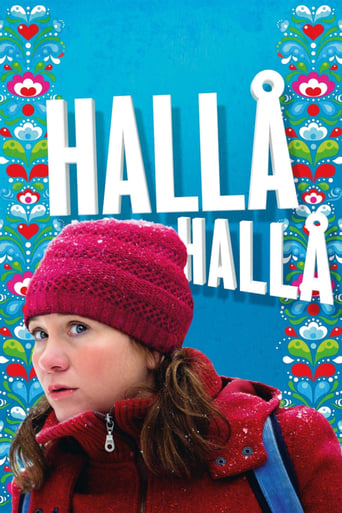
More recent Swedish comedies include The 100 Year-Old Man Who Climbed Out the Window and Disappeared, from the bestselling novel, in which Allan Karlsson leaves his retirement home on his hundredth birthday and sets off by bus with somebody else's suitcase, while flashbacks show that he has been present, by pure chance, at half the great events of the century. The same director, Felix Herngren, made Day by Day, in which five people drive a motorhome across Europe to grant an old man's wish. Every Other Week is about two brothers sharing a flat and the care of their children, Hallåhallå about a nurse in Dalarna starting again, and A Piece of My Heart a musical built on the songs of a well-known Swedish singer.
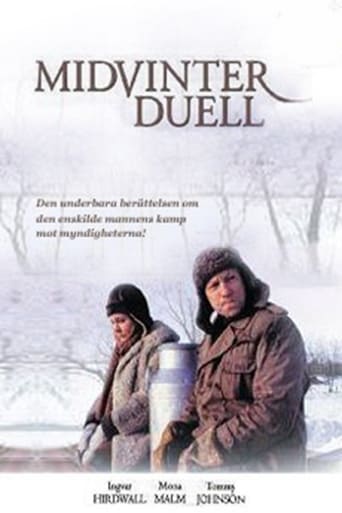
Lars Molin wrote and directed some of the best-loved films ever made for Swedish television, and three are here. In Midvinterduell, a farmer refuses to carry his milk churns to the new collection point the dairy has decreed and goes on leaving them at his own gate, and the dispute grows until the whole district is involved. Höjdhoppar'n is about a village simpleton who takes up the high jump and turns out to be very good at it. The Tattooed Widow, which won an international Emmy, has a grandmother of sixty-odd inherit a flat in town and decide, to her family's dismay, to begin a life of her own.
Finland
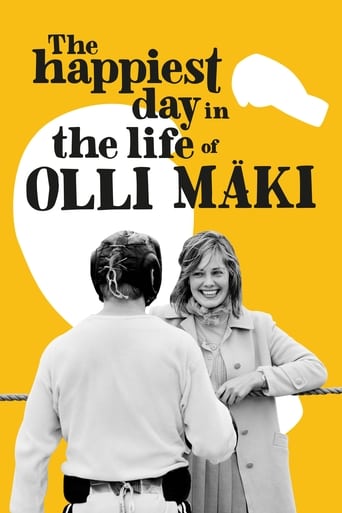
Twenty-seven films are Finnish, and the Finnish films guide sorts them. The Happiest Day in the Life of Olli Mäki, from 2016, is the place to begin. In the summer of 1962 a modest baker and amateur boxer from a small town is given a chance at the world featherweight title, to be fought in Helsinki before the cameras of the whole country. His manager has arranged sponsors, photographers and a training camp. Olli, meanwhile, has fallen in love with Raija, and would much sooner go cycling with her. Shot in soft black and white, the film is a love story disguised as a boxing picture, and it won the main prize in its section at Cannes.
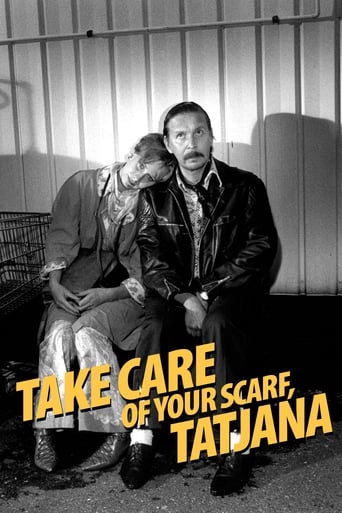
The brothers Aki and Mika Kaurismäki are Finland's best-known directors. Aki's Take Care of Your Scarf, Tatjana, from 1994, lasts barely an hour. Two men of very few words, one living on coffee and the other on vodka, set off in a black Volga and give a lift to two women, an Estonian and a Russian, who are trying to reach the harbour. Hardly anybody speaks; a great deal happens. Mika's first film, The Liar, from 1981, stars his younger brother as a talkative idler in Helsinki, and his recent Long Good Thursday belongs to a popular series about a stubborn old farmer known as the Grump, who in Happier Times, Grump is busy building his own coffin when a granddaughter turns up in need of him.
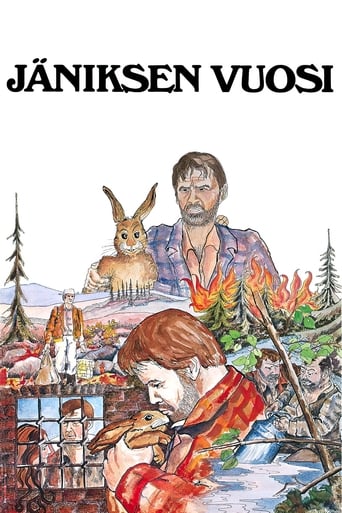
Finnish stories return again and again to the countryside. The Year of the Hare, made in 1977 from the novel by Arto Paasilinna, is the national fable: an advertising man on a business trip stops his car for an injured hare, follows it into the forest, and leaves the office behind for good. The Last Wedding gathers a village for one summer day's celebration, Plainlands is a comedy of four brothers and an inheritance in Ostrobothnia, and Niskavuori and Niskavuoren Heta are films of famous plays about the strong-willed women of a great farm. Lapin kullan kimallus recounts the gold rush that reached Lapland in the eighteen-sixties, and Je'vida, from 2023, is the first feature made in the Skolt Sámi language, about an elderly woman deciding whether to sell the family homestead.
For sheer fun there is Lottovoittaja UKK Turhapuro, one of many films about Uuno Turhapuro, a spectacularly lazy husband who here wins the lottery, and Star Wreck: In the Pirkinning, a science fiction parody made over seven years by a group of friends in a flat, with effects that put many studio films to shame. The Swan and the Wanderer tells of two popular singers and songwriters of the fifties, and The Wedding Waltz of a new father in the north who finds urgent reasons to be in his garage.
Norway
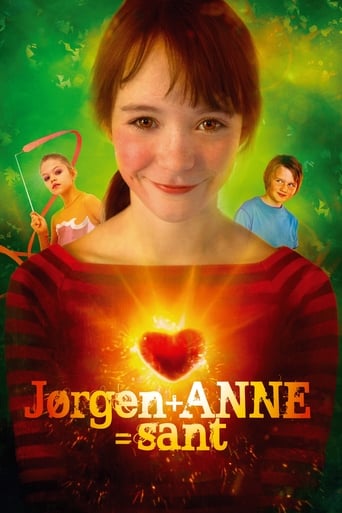
Twenty-six films are Norwegian, and the Norwegian films guide presents them. Norway's films for young audiences are outstanding. Battle, from 2018, follows Amalie, a gifted dancer from a wealthy home in Oslo whose family loses everything; moving to the east of the city, she meets a boy who dances hip hop in the street and discovers a different way of moving. Totally True Love is told by a ten-year-old girl who falls head over heels for the new boy in her class. In The Color of Milk, eleven-year-old Selma has resolved to devote her life to science and to keep well away from boys, a plan the summer puts under strain. Pitbullterje is about a boy whose only willing friend is the one he least wants, and Scars about a younger brother's hero worship.
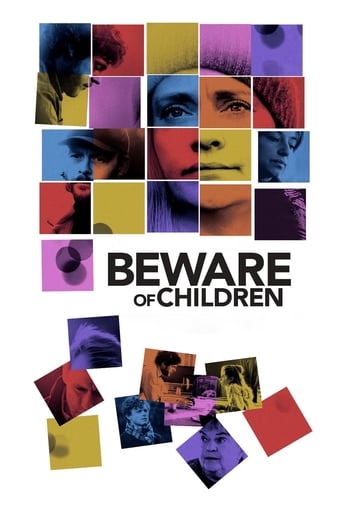
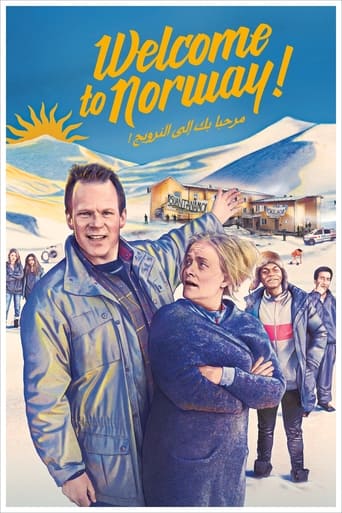
For adults there is Hope, from 2019, with Andrea Bræin Hovig and Stellan Skarsgård as a couple with a large family who receive hard news the day before Christmas and, over the week that follows, find their way back to each other. It is drawn from the director's own life and is truthful and, in the end, consoling. Welcome to Norway! is a comedy about a hotel owner in the mountains who turns his failing business into a reception centre and gets more than he bargained for. Upperdog reunites a brother and sister adopted as small children into very different homes in Oslo, and Beware of Children and I Belong, both by Dag Johan Haugerud, are thoughtful ensemble films about how people treat one another at work and at school.
Older and smaller films round out the list. We're Getting Married, from 1951, is a comedy about a young couple hunting for somewhere to live. The Last Fleksnes brings a favourite television character to the cinema. Water Easy Reach, by Bent Hamer, strands a young sailor in a Spanish port while his watch is mended. A Human Position is a quiet film of summer nights in the port of Ålesund, where a young journalist returns to work. Cabin Fever squeezes an extended family into a mountain hut for Christmas at thirty degrees below zero, and the ten-minute Sniffer, which won the short film Palme d'Or at Cannes, imagines a town where everybody must wear weighted boots to stay on the ground.
Romance
Twenty-four films are love stories. The Danish comedies of the sixties are romances at heart: in The Girl and the Press Photographer, a journalist and a photographer pretend to be married so that one of them can get a flat; in The Castle, an old chamberlain lives in a manor house with three unmarried daughters and a wealthy bachelor next door; and in Hooray for the Blue Hussars, two lieutenants compete for a place in the regiment and for the colonel's daughter. Life with Daddy is a comedy of a household where both parents work and the housekeeper holds everything together.
Modern romances are more bittersweet. Dark Horse, by Dagur Kári, drifts through Copenhagen with a young graffiti artist who paints declarations of love to order and falls for a girl who works in a bakery. One-Two-Three Now! is a first love between two schoolmates, one of whom has little time. Halalabad Blues is about a Danish photographer and a Turkish shopkeeper, and A Horrible Woman a sharp comedy, told from the man's side, about a new couple and who gets to decide what. From Finland, One-Way Ticket to Mombasa sends two teenagers from a hospital ward on a journey to Lapland, and Akaton mies, whose title means the wifeless man, is a rural comedy about a farmer who advertises for one. From Norway, Mongoland follows a young woman home to Stavanger for Christmas in search of the boyfriend who failed to join her abroad.
Newer films
Twenty-four films date from 2020 or later, and they show how the region's cinemas are changing. Streaming services now commission many of them, and the stories travel: to Spain in Mango, to Italy in When in Rome, across the continent in Day by Day. Orca, made during the months when households were confined, tells the stories of eleven people entirely through the screens by which they kept in touch. After Us, the Flood is a rare Finnish venture into science fiction, about a young physicist and a source of clean energy, and Man Divided is a Danish one, in which a traveller from the year 2095 arrives in present-day Copenhagen in search of a lost piece of research.
The short film is flourishing as well. Knight of Fortune, twenty-five minutes long and nominated for an Academy Award in 2024, is a tender comedy about two widowers who meet in the waiting room of a chapel. Reel and Passing Hearts are Swedish shorts about boys on the last day before a parting, and Sister, What Grows Where Land Is Sick? is a first feature from northern Norway about two sisters and a diary. Diva of Finland is a comedy of rivalry between two girls of eighteen in a northern town, and Distractions strings together comic sketches about lives that keep being interrupted.
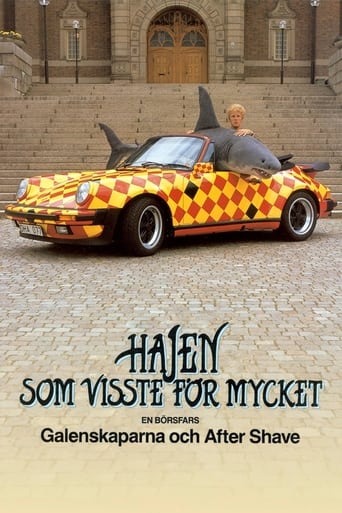
The older popular traditions continue too. While We Live, Together and People Get Eaten are family stories told plainly; Little Fridolf and Me and Hajen som visste för mycket, a farce by a celebrated Gothenburg comedy troupe, represent two generations of Swedish clowning thirty years apart. A viewer who begins with the newest films will find the way back to the older ones easily, since the same themes, the same landscapes and often the same faces recur.
Nordic films have a way of treating everyone on the screen as worth a second look: the shy, the stubborn, the old, the awkward child at the back of the class. There are few villains and few heroes, and a great many people doing their best. That even temper, together with the light of the northern seasons and a humour that takes its time, is what gives these four small cinemas their shared character, and it is the reason they suit a household evening so well. A viewer who comes to them for one famous title usually stays for a dozen more, and the lists on CinemaCity are arranged to make that easy.
Comedy
Ninety films are comedies, and the comedy guide picks the best from each country. Nordic humour tends to be dry, patient and kind. It likes a stubborn man, a small community and a rule that somebody refuses to obey. It is also fond of the long joke, set up in the first reel and paid off in the last. The Danish folk comedies, the Swedish films of Alfredson and Danielsson and the Finnish Grump films all work this way, and so, in a quieter key, do Italian for Beginners and Master Cheng.
A few more to try: Lotto, in which the organiser of a factory's lottery club, a man proud of his honesty, holds the winning coupon for three million kroner and has to decide whether to tell his friends; We Are the Champions, about a former professional footballer coaching his son's struggling junior team; Do You Believe in Angels?, the great Swedish hit of 1961, in which a confident young man takes a job as assistant caretaker in a bank and rises with startling speed; A Guy and a Gal, the first feature of Lasse Hallström; and Instead of Abracadabra, a short about a would-be magician of twenty-five who still lives with his parents and practises on the neighbours.
Drama
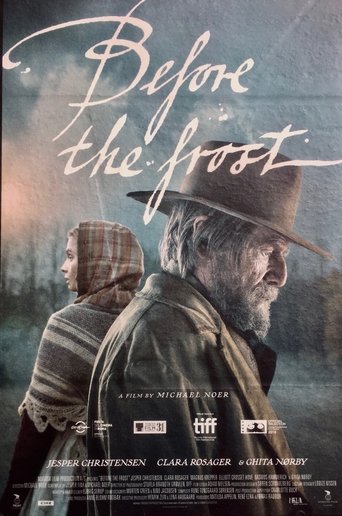
A hundred and eight films are dramas, and the drama guide groups them. Several are about the people who care for others. Second Victims, from 2025, spends a single shift on a hospital ward with a skilled doctor who takes one decision too many on her own. Home Sweet Home follows a home carer on her rounds among the old, and Key House Mirror is a tender film, with the great Ghita Nørby, about a woman in a care home who makes a new friend. The Butterfly Swing is set at a farmer's golden wedding, and Before the Frost on a struggling farm in the eighteen-fifties, where an ageing father must provide for his family before winter.
Others weigh public questions. An Enemy of the People moves Ibsen's play to the present, with a television personality who returns to his village to bottle its pure spring water. The Mine is drawn from a real Finnish case, in which a young official had to rule on the permit for a vast new mine. A Human Position and Letter to the King look at Norway through the eyes of newcomers, as The New Country and Amateurs do for Sweden; in the last of these, a small town making a promotional film is upstaged by two schoolgirls with telephones who film it as it really is. Underdog reverses an old pattern by following a young Swede who has gone to wealthy Oslo to find work.
Classics
Fifty-one films were made before 1990, and the classics guide arranges them by decade. Besides those already described, they include two long films worth an evening each. City of My Dreams, from 1976, is based on the first of a famous series of novels about Stockholm, and follows a country boy who comes to the capital in the eighteen-sixties to look for work on the quays. Sven Klang's Combo, from the same year, is set in 1958 in a provincial dance band whose new saxophonist has heard modern jazz and wants the others to hear it too; it is regularly voted among the finest Swedish films.
Others are smaller pleasures. Lars Ole, 5c., the first film of Nils Malmros, was made with schoolchildren in the director's home town and catches the alliances and crushes of a class of eleven-year-olds exactly; his later Facing the Truth, the highest scored film here at 7.6, tells the story of his own father, a boy from a poor home who became a brain surgeon. Who Loves Yngve Frej is about four old men in a depopulated village who put up a sign advertising an ancient monument, to see who will come. Interlude in the Marshland, thirty minutes long, is an early film by Jan Troell with Max von Sydow as a railwayman who steps off his train and starts walking, and Oh, to Be on the Bandwagon! is a wistful comedy about the regulars of a Copenhagen bar and their plans.
Family and growing up
Thirty-three films centre on children and families, and the family and growing up guide arranges them by age. Sanna Lenken has made two fine films about girls on the edge of their teens. In My Skinny Sister, Stella, who is twelve, adores her elder sister, a promising figure skater, and is the first to notice that something is wrong. In Comedy Queen, thirteen-year-old Sasha decides, after losing her mother, that she will become a comedian and make her father laugh again. Both are honest and full of humour, and both are suitable for viewers of about the same age as their heroines.
For younger viewers, Land Of Glass is a Danish fantasy about a boy who finds two strangely dressed visitors hiding in the barn, Hacker an adventure about a boy of thirteen with a gift for computers, and Max Embarrassment a comedy about a boy mortified by his devoted mother. Films about brothers and sisters include Better Times, in which two brothers try to save the family bakery, One Day All This Will Be Yours, in which three grown children are summoned to the family farm to learn which of them will inherit the forest, and Jag saknar dig, about twin sisters of fifteen. Starring Maja is about a girl in a small town who is certain she was born to act.
Two more family films deserve a line. The Tattooed Widow and Happier Times, Grump both show grandparents with minds of their own, and both are as enjoyable for the oldest viewers in the room as for the youngest.
Music and the arts
Fifty-four films are about performers and artists, and the music and the arts guide picks through them. Each country has filmed the lives of its popular singers. Denmark has The Way to Mandalay, about the singer and songwriter John Mogensen; A Lucky Man, about the bandleader known to everyone as Bamse; and Under the Stars in the Sky, about a composer of songs for the Eurovision contest trying for one more hit. Finland has The Swan and the Wanderer. Sweden has Run Uje Run, in which a pop musician of the nineties plays himself, with his own family, in a wry and tuneful account of living with a diagnosis of Parkinson's disease.
Music of other kinds is heard in Music for One Apartment and Six Drummers, a ten-minute delight in which six percussionists slip into a flat while the owners are out and perform a suite in four movements on the kitchen, bedroom, bathroom and living room. I'll Be Home for Christmas is set in a family of musicians, and Alt for Egil is that rare thing, a Norwegian musical, about a pizza delivery boy with a great many responsibilities. The theatre is the setting of Second Act, with Lena Olin as a celebrated actress who falls ill and is nursed at home by a talkative admirer.
Writers are honoured in Hunger and in The Freethinker, a film of four and a half hours about the playwright August Strindberg, made by the British director Peter Watkins with a class of Swedish students over two years. It is the longest film in the catalogue and best taken in parts.
Country and coast
Forty-five films are set on farms, in villages, on islands or in the far north, and the country and coast guide maps them. The landscapes are a large part of the pleasure: the heaths of Jutland, the skerries of the Swedish west coast, the lakes and birch woods of Finland, the fjords and mountain huts of Norway. Island life is the subject of Færgekroen, a comedy of 1956 about two friends who run a ferry inn, and of Åke från Åstol, in which the people of a tiny island must save the herring factory on which they all depend. Badjävlar watches a seaside village cope with its summer visitors.
The north has a mood of its own. In People in the Sun, two couples share a midsummer weekend at a campsite while the radio reports that something odd is happening to the sun. Returning Home sends two young brothers into the mountains to look for their father. The Handcuff King is set on the border river between Finland and Sweden in the nineteen-seventies, where a boy admires an escape artist, and Blindfolded in a seaside town of the sixties, where two nine-year-olds dream of running away to sea.
Holidays and summers
Fourteen films are set at the turning points of the Nordic year, and the holidays and summers guide lists them. Winter is long in the north, and Christmas, with its candles and its crowded tables, matters accordingly; summer is short and is celebrated with equal fervour at midsummer, when the sun barely sets. Films of family Christmases include That Time of Year, Cabin Fever and I'll Be Home for Christmas, and the Finnish Joulukuusivarkaat, whose title means the Christmas tree thieves. To New Beginnings takes place over a New Year dinner. The Last Wedding, People in the Sun and Docking the Boat belong to the white nights.
Working lives
Fifty-seven films are about people at work, which says something about the region. The sea provides a living in the Danish comedies of sailors and skippers, and in Een pige og 39 sømænd, a comedy of 1965 about the first young woman to sign on to a merchant ship. Shops, bakeries and restaurants appear throughout. En helt vanlig dag på jobben is a satire set on a celebrity magazine, Sweet Things an eight-minute sketch, with Renate Reinsve, about a job offer with strings attached, and Trust Me a comedy of small dishonesties among Stockholm professionals. In Man and a Junior, a busy father finds himself in sole charge of two small children, and in Take My Hand a woman rebuilds her life after a divorce. Madklubben: Hjemme Igen, from 2025, reunites three friends of a certain age who decide to share a house.
Directors and actors
The directors guide lists the film-makers with several films in the catalogue. Annelise Reenberg leads with six, Ingmar Bergman has five, and Erik Balling, Poul Bang, Finn Henriksen, Lars Molin and Mika Kaurismäki have three each. Jan Troell, Gabriel Axel, Tage Danielsson, Felix Herngren, Sanna Lenken, Paprika Steen, Nils Malmros and Dag Johan Haugerud have two. Among actors, Dirch Passer appears in ten films and Ghita Nørby in five, from light comedies of the early sixties to Key House Mirror half a century later. Anders W. Berthelsen and Sidse Babett Knudsen recur in the modern Danish films, Max von Sydow and Liv Ullmann in the Swedish classics, and Rolf Lassgård turns up on both sides of the Sound. Every film page lists its principal cast.
Languages and subtitles
Four languages are spoken in these films. Danish, Swedish and Norwegian are close relations, so close that speakers of one can usually follow the others, and actors often work across the borders. Finnish belongs to a different family altogether and sounds unlike any other language in Europe; a few films also use Sámi, Greenlandic or Swedish dialects. Most services offer English subtitles, chosen from the language menu on the player. Each film page shows the original title beside the English one, and some films are listed under their original titles alone.
Choosing well
A few habits help with choosing. For a mixed household, begin with the Danish folk comedies, the Norwegian children's films and the recent romantic comedies. For older children, We Are the Best!, Battle and the two films by Sanna Lenken are ideal. For the adults, The Emigrants, Hunger, the Bergman films and Hope ask for an attentive evening and repay it. Running times range from eight minutes to four and a half hours, and each film page gives the length. Top rated holds the thirty-eight films with a viewer score of 6.8 or more.
Search, lists and My List
The search field in the top bar answers as you type and sets aside filler words such as watch, online and free. It accepts English and original titles alike. The finding titles page describes the search, the lists and the A to Z, which sets out all 158 films in alphabetical order.
Twenty lists divide the catalogue. Four follow the countries: Denmark, Sweden, Finland and Norway. Four follow kind: comedy, drama, romance, and family and growing up. Five follow theme: classics, music and the arts, country and coast, holidays and summers, and working lives. Five follow the years, Top rated holds the highest scored films, and All titles holds everything. A film may sit in several lists at once, so Docking the Boat is found under Sweden, comedy, classics, country and coast and holidays and summers alike.
My List is your saved row of films. Each film page carries an Add to My List button, and the blue My List button in the top bar opens the row as a grid of posters. It is kept by the browser on this device only and reappears each time you come back, and the list page can write it to a file to restore elsewhere. The My List page gives the steps, and the how to watch page explains the path from a title to a service.
A film page on CinemaCity is laid out for a quick decision: the still and poster first, then the year, running time and genres, the story in a paragraph, the director and cast, and finally the country selector with its Watch now button. Fifteen countries are offered, Denmark, Sweden, Finland, Norway and Iceland among them, and the choice is remembered for the next film.
Four evenings, four countries
A simple plan shows the range of these Nordic films. On the first evening, Denmark: Babette's Feast, with something good to eat afterwards. On the second, Sweden: We Are the Best! with the family, or The Adventures of Picasso for pure silliness. On the third, Finland: Master Cheng, or The Year of the Hare. On the fourth, Norway: Battle for the dancing, Hope for the grown-ups. After that the four country buttons on the home page will carry you on.
Questions and answers
Questions
What is CinemaCity?
CinemaCity is a guide to 158 Nordic films from Denmark, Sweden, Finland and Norway, 1950 to 2025, each with its story, cast and a Watch now button to the official services that carry it.
Which film should I watch first?
Start with Babette's Feast, We Are the Best! or Master Cheng. They introduce Danish, Swedish and Finnish cinema at their most welcoming.
Is the catalogue suitable for families?
Yes. Every summary was read by hand, and crime stories, films of the battlefield and adult dramas were left out. Some classics are thoughtful and slow and suit older viewers.
Which languages are the films in?
Fifty-eight are in Danish, forty-seven in Swedish, twenty-seven in Finnish and twenty-six in Norwegian. Most services offer English subtitles.
Who are the best known directors?
Ingmar Bergman and Jan Troell from Sweden, Gabriel Axel and Bille August from Denmark, and Aki and Mika Kaurismaki from Finland.
Are there short films?
Yes. Sweet Things runs eight minutes, Sniffer and Music for One Apartment and Six Drummers ten, and Knight of Fortune twenty-five.
How does My List work?
Press Add to My List on any film page. The list is kept by the browser on this device, and the list page can write it to a file.
Does CinemaCity host films or downloads?
CinemaCity is a guide only. Every Watch now button opens JustWatch, which lists the official streaming, rental and purchase services for your country.
